
Life's Classroom
Winning Ways is our program. In so as much as it is our program, it is your program, and it is the communities program. We have drawn inspiration from the teachings of mindfulness, clinical psychology, the physiological principles behind neuronal communication and brain dynamics, Western and Eastern religions, team- and individual sports, our families, friends, and you. You who are the society around us, our comrade, and our community.
Our research into the creation of this program drew us deep within our past experiences, published articles and books on the concepts and issues surrounding reintegration, conferences and talking with others who have been through it all, evidence-based practices for mitigating dysfunctional behaviors, and so much more. Today, after much time carefully deciphering and piecing together how we and others have changed our lives, we believe Winning Ways will prove a boundless journey for all of those individuals we work with.
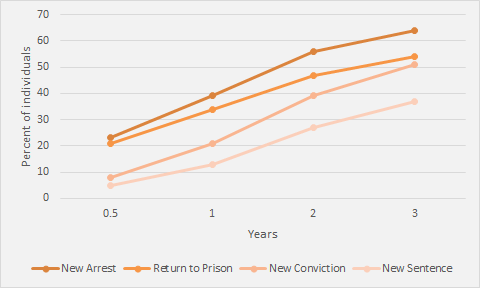
The most recent statistics on recidivism in Connecticut. Within 3 years of release, more than half of individuals had received a new arrest, new conviction, and returned to prison (1).
Our mission is to create an environment where individuals feel not forced but inspired to develop goals, create a realistic plan of action to transcend these goals, and in return motivate others to follow and achieve their dreams. We strive to develop a human-centered program with dynamics of understanding, individualized care, and guidance from those who have struggled with similar issues and overcome them in magnificent ways. Laid out hereafter is a brief summary of some aspects of our curriculum.
Curriculum:
- Evidence-based, mindfulness
- Trust & Teamwork
- Sports
- Friendship: staff and client melding
- Parenting
- Subtle neuronal restructuring
- Family & Interpersonal Relationships
- Financial Education
- Cultural Diversity
- Community Outreach and Incorporation
- Current Events and Peer Discussions
- Science, mathematics, and English education
- Job performance
- Communication dynamics
- Traditional counseling, both group and individual
- "Non-traditional" counseling, group and individual